




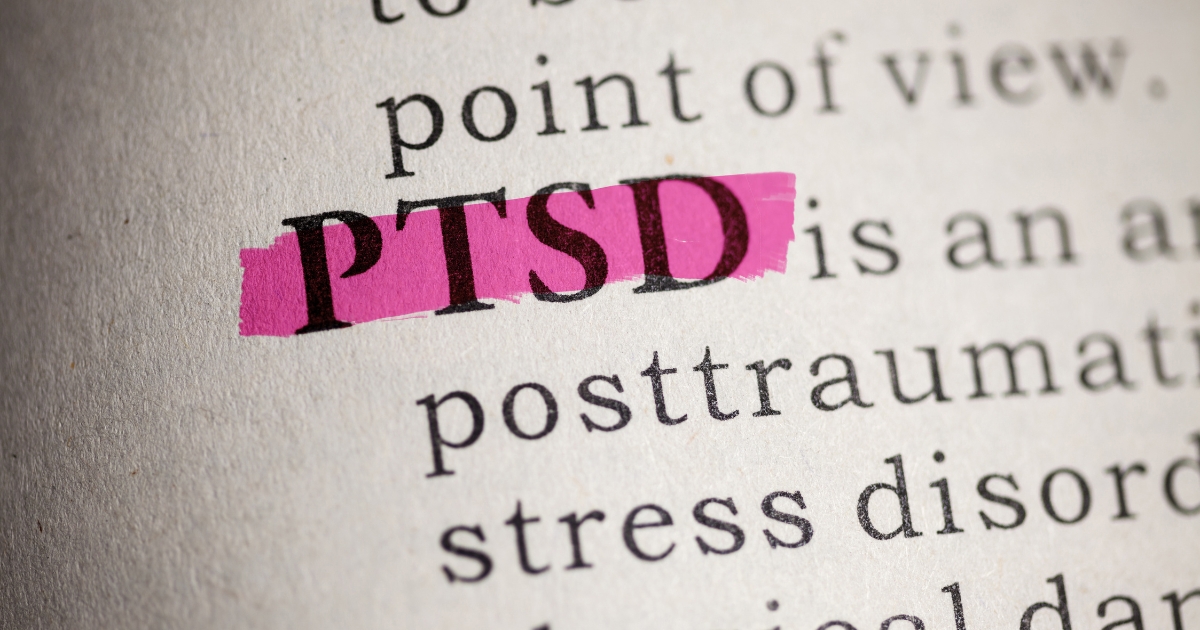
When someone struggles with both post-traumatic stress disorder and an eating disorder, the two conditions don’t just coexist—they reinforce each other in ways that make recovery harder. Research consistently finds that a significant share of individuals with eating disorders also meet criteria for PTSD, and the overlap isn’t coincidental. Trauma fundamentally alters how the brain processes stress, regulates emotion, and relates to the body. Food behaviors—whether restriction, bingeing, or purging—often become a way to manage the overwhelming internal chaos that trauma leaves behind.
To understand why trauma survivors develop eating disorders, clinicians must look beyond surface symptoms to the shared neurobiological and psychological roots of both conditions. This connection shapes not only how these disorders develop but also what actually helps people recover.
The Neurobiological Link Between Trauma and Eating Disorders
Trauma rewires the brain’s stress response systems in ways that create vulnerability to disordered eating. The amygdala—responsible for detecting threat—becomes hyperactive after trauma, while the prefrontal cortex, which governs rational decision-making and impulse control, shows reduced activity. This imbalance leaves trauma survivors hypervigilant, scanning for danger even when none exists. Food behaviors can become a way to self-soothe or regain a sense of control when the world feels unpredictable and unsafe. The connection between PTSD and eating disorders becomes visible in this neurobiological overlap—both conditions involve dysregulated threat detection and compromised emotional control.
Cortisol, the body’s primary stress hormone, remains chronically elevated in individuals with PTSD. Sustained high cortisol disrupts hunger and satiety signals, increases cravings for high-calorie foods, and promotes fat storage around the abdomen. Over time, this dysregulation makes it harder to recognize true physical hunger or fullness.
Avoidance, a hallmark PTSD symptom, extends beyond traumatic memories and reminders. Intrusive thoughts and flashbacks create a mental environment where food rituals or rigid eating rules provide structure and distraction. The eating disorder becomes a secondary coping mechanism—one that feels more controllable than the trauma itself.
Different Types of Trauma Lead to Different Eating Disorder Patterns
Not all trauma manifests the same way in eating behaviors. The type, timing, and context of traumatic experiences shape which disordered eating patterns emerge. Understanding why trauma survivors develop eating disorders requires examining not just the fact of trauma exposure, but its developmental timing and relational context. The relationship between PTSD and eating disorders varies based on these factors, with different trauma types creating distinct pathways to disordered eating. Research on childhood trauma and binge eating shows one of the strongest correlations.
How trauma affects eating habits depends on the developmental stage when trauma occurred, the presence of safe relationships afterward, and the individual’s pre-existing temperament—the answer is always layered and individual.
| Trauma Type | Common Eating Disorder Pattern | Underlying Mechanism |
|---|---|---|
| Childhood abuse or neglect | Binge eating disorder | Food as emotional regulation substitute |
| Sexual assault | Anorexia nervosa or restrictive behaviors | Body modification to reduce perceived vulnerability |
| Combat exposure | Irregular eating, appetite suppression | Chronic hyperarousal disrupting hunger cues |
| Medical trauma | ARFID | Conditioned aversion to food-related stimuli |
Why Treating Only One Condition Sets Up Treatment Failure
Addressing PTSD without eating disorder intervention often leads to symptom substitution. A person may process traumatic memories in therapy and experience reduced flashbacks or nightmares, but if the underlying emotional regulation deficit remains unaddressed, the eating disorder intensifies. Food behaviors have become the primary tool for managing distress. Removing trauma symptoms without teaching alternative coping skills leaves a void that disordered eating rushes to fill.
Conversely, eating disorder treatment without trauma processing creates a relapse cycle. Nutritional rehabilitation and behavioral interventions can restore weight and interrupt binge-purge cycles, but unprocessed trauma means the original trigger persists. Survivors return to environments or internal states that reactivate trauma responses, and food behaviors re-emerge as the most familiar coping mechanism. This is why treating PTSD and eating disorders as separate conditions produces worse outcomes than integrated care.
Trauma-informed eating disorder treatment recognizes that food restriction, bingeing, or purging often serves a protective function. These behaviors aren’t simply “bad habits” to extinguish—they’re survival strategies that made sense in the context of overwhelming trauma. Effective treatment honors this reality while building safer, more sustainable ways to manage distress. Treating co-occurring mental health disorders requires simultaneous intervention—addressing one while ignoring the other creates a revolving door of symptom management without true healing.
When Emotional Regulation and Food Become Intertwined After Trauma
Emotional regulation—the ability to identify, tolerate, and modulate feelings—develops through early relationships. When trauma disrupts this process, individuals often lack the internal tools to manage intense emotions. Food becomes a substitute regulator. Restriction can create a sense of accomplishment or numb emotional pain. Bingeing offers temporary relief from anxiety or loneliness. Purging provides a physical release for overwhelming shame or anger.
The cycle becomes self-perpetuating. Disordered eating behaviors temporarily reduce distress, which reinforces their use. Over time, the brain learns to associate food rituals with emotional relief, making it harder to access other coping strategies.
Effective treatment for PTSD and eating disorders teaches skills for emotional regulation that don’t rely on food behaviors. Dialectical behavior therapy (DBT) is particularly effective for this, offering concrete techniques for distress tolerance, mindfulness, and emotion regulation. Trauma processing modalities like EMDR (eye movement desensitization and reprocessing) reduce the emotional charge of traumatic memories, making it easier to tolerate difficult feelings without turning to disordered eating.
What Integrated Treatment for Dual Diagnosis Actually Looks Like
Integrated treatment for PTSD and eating disorders means that trauma and eating disorder interventions happen simultaneously, delivered by a team trained in both areas. A typical residential or intensive outpatient program might include individual trauma-focused therapy three times per week, group therapy addressing both conditions, nutritional counseling, psychiatric medication management if needed, and experiential therapies like art or movement therapy that help clients reconnect with their bodies in non-threatening ways.
EMDR sessions process specific traumatic memories while DBT skills groups teach emotion regulation and distress tolerance. Meal support isn’t just about eating—it’s a therapeutic intervention where clients practice tolerating the anxiety that arises around food, learn to identify emotional versus physical hunger, and challenge eating disorder rules in real time with clinician support. Family therapy helps loved ones understand the trauma-eating connection, reducing blame and building supportive home environments.
| Treatment Component | Purpose |
|---|---|
| Trauma-focused psychotherapy (EMDR, CPT) | Processes traumatic memories to reduce intrusive symptoms and emotional reactivity |
| Dialectical behavior therapy (DBT) | Builds skills for emotion regulation, distress tolerance, and interpersonal effectiveness |
| Nutritional rehabilitation and meal support | Restores physical health, normalizes eating patterns, challenges food-related fears |
| Body-based therapies (yoga, somatic experiencing) | Rebuilds connection to body sensations and reduces trauma-related dissociation |
| Family or relational therapy | Addresses relationship patterns, builds support systems, heals attachment wounds |
Treatment duration varies based on severity and individual needs. Residential programs typically last 60 to 90 days, providing intensive support while clients build foundational skills. Partial hospitalization or intensive outpatient care follows, allowing clients to practice new behaviors in their home environment while maintaining structured support. Aftercare planning is critical—both PTSD and eating disorders carry relapse risk, and ongoing therapy, support groups, and psychiatric follow-up help sustain gains made during intensive treatment.

Recovery Starts Here: Your Next Step Toward Healing at Wellness Recovery Center
If you or someone you love is struggling with PTSD and eating disorders, you don’t have to choose which condition to address first—or face either one alone. Wellness Recovery Center offers integrated, trauma-informed care that treats the whole person, not just isolated symptoms. Our clinical team understands the deep connection between trauma and disordered eating, and we design treatment plans that address both simultaneously. You’ll work with therapists trained in evidence-based trauma processing and eating disorder recovery, supported by medical and nutritional professionals who prioritize safety and collaboration. Recovery is possible, and it starts with a single call. Reach out today to learn how our program can help you or your loved one begin the journey toward lasting healing.
FAQs
Here are answers to common questions about the relationship between trauma and eating disorders.
1. Can you have PTSD and an eating disorder at the same time?
Yes, research consistently finds that these conditions frequently co-occur. The two disorders share overlapping neurobiological pathways and often reinforce each other, making integrated treatment essential for recovery.
2. How does childhood trauma lead to eating disorders later in life?
Early trauma disrupts the development of emotional regulation skills, leaving individuals without healthy tools to manage distress. Food behaviors become a way to self-soothe, numb overwhelming emotions, or regain a sense of control that was lost during the traumatic experience.
3. What makes trauma-informed eating disorder treatment different?
This approach addresses underlying trauma while treating eating behaviors, recognizes that disordered eating often serves a protective function, and uses body-safe, consent-based interventions. Clinicians understand that weight restoration or meal plan adherence can feel threatening to trauma survivors and pace treatment accordingly.
4. Which eating disorders are most commonly linked to PTSD?
Binge eating disorder shows the highest correlation, followed by bulimia nervosa. Anorexia nervosa and ARFID also occur alongside PTSD, though through different trauma-response mechanisms related to control, avoidance, or body disconnection.
5. Can eating disorder recovery happen without addressing trauma?
Treating an eating disorder without addressing underlying trauma typically leads to relapse. The eating disorder often serves as a coping mechanism for unprocessed trauma, so sustainable recovery requires integrated treatment that addresses both conditions simultaneously.