



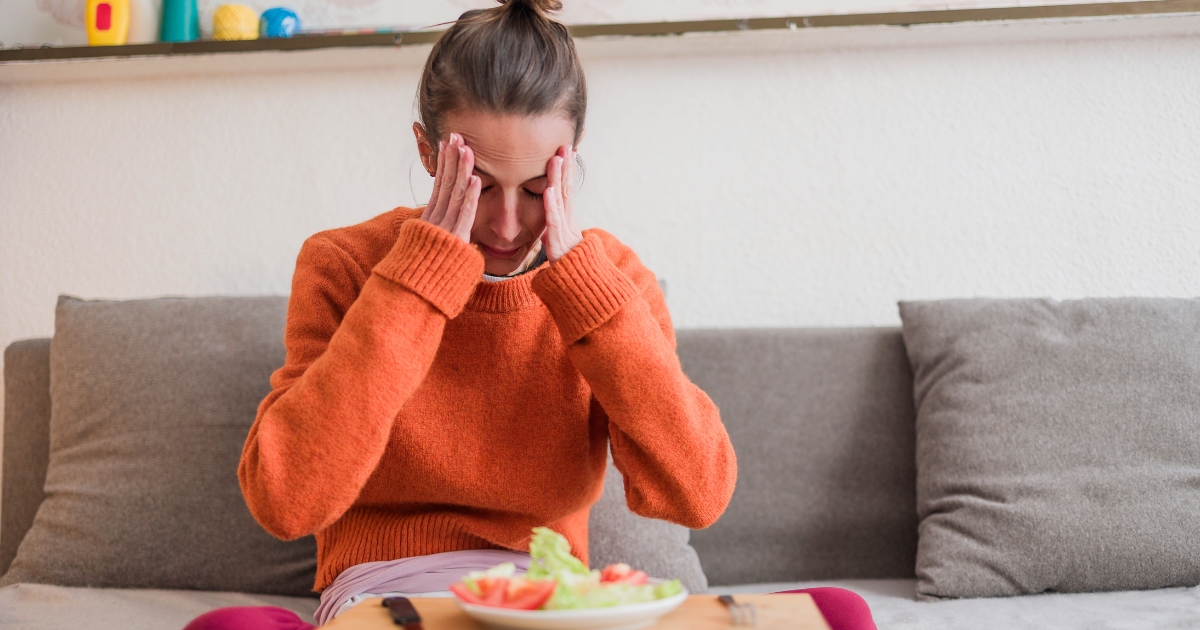
Feeling anxious during meals is more common than many people realize. For some, the question “Why do I get anxious when I eat?” surfaces with every meal, triggering a cascade of physical and emotional responses — racing heart, shallow breathing, intrusive thoughts, or an overwhelming urge to leave the table. This experience can stem from a range of medical, psychological, and neurological factors, and understanding the root cause is the first step toward finding relief. Whether the anxiety surfaces while you’re eating or lingers after the meal, recognizing the triggers and patterns can help you regain a sense of control and comfort around food.
This guide explores the medical conditions and psychological triggers that contribute to mealtime distress and answers a question many people ask: why do I get anxious when I eat?
The Physical Causes Behind Anxiety While Eating
Many people who ask themselves “Why do I get anxious when I eat?” assume the answer is purely psychological, but physical health conditions frequently drive these symptoms. Blood sugar fluctuations are among the most common culprits. This drop triggers the release of stress hormones like cortisol and adrenaline, which can produce sensations identical to an anxiety attack — shakiness, sweating, rapid heartbeat, and lightheadedness.
Digestive system dysfunction also plays a significant role. Gastroparesis, IBS, and gut-brain axis dysfunction can trigger anxiety through physical discomfort the brain registers as danger. The gut-brain axis connects digestive function to mood regulation, meaning inflammation or microbial imbalances can directly trigger anxiety.
| Physical Condition | How It Triggers Anxiety | Common Symptoms |
|---|---|---|
| Reactive Hypoglycemia | Blood sugar crash releases stress hormones | Shakiness, sweating, heart palpitations |
| Gastroparesis | Delayed stomach emptying causes physical discomfort | Nausea, bloating, early fullness |
| Food Sensitivities | Histamine release mimics panic symptoms | Flushing, rapid heartbeat, dizziness |
| IBS | Unpredictable digestive responses create fear | Cramping, urgency, anticipatory dread |
Psychological Triggers That Make Eating Feel Overwhelming
Beyond physical health, psychological factors often explain why you get anxious when you eat and shape how the brain interprets the act of eating. Social anxiety is a frequent driver, particularly when meals occur in public or group settings. Deipnophobia — fear of dining with others — can make even familiar foods feel threatening in social settings.
Perfectionism and control issues also contribute to eating anxiety symptoms and triggers. To understand what causes fear of eating food, examine both immediate triggers — like past choking incidents or food poisoning — and deeper patterns such as perfectionism, control issues, or unresolved trauma that make eating feel dangerous.
- Past choking incidents that create a conditioned fear response whenever swallowing feels difficult, or food texture is unfamiliar.
- Childhood experiences of forced eating, food-related punishment, or mealtime conflict that associate eating with stress or shame.
- Episodes of food poisoning or severe gastrointestinal illness that link specific foods or eating in general with physical danger.
- Trauma response to food and eating, where the nervous system remains hypervigilant during meals due to unresolved traumatic memories.
When the brain has encoded a past event as a threat — choking, allergic reaction, or distressing family meals — it can trigger a trauma response to food and eating long after, keeping the nervous system on high alert.
Distinguishing Eating Anxiety from Disordered Eating
The eating disorder vs eating anxiety distinction is critical for appropriate treatment. Eating disorders involve distorted beliefs about body weight and shape, often with restrictive eating, bingeing, or purging. Eating anxiety may exist independently, driven by sensory sensitivities, digestive issues, social fear, or trauma — without the body image distortion central to anorexia or bulimia. A mental health professional can assess whether symptoms meet diagnostic criteria for an eating disorder or represent a separate anxiety condition.
The table below breaks down how the two patterns differ and which strategies tend to work best for each.
Anxiety While Eating vs. After Eating
| Dimension | Anxiety While Eating | Anxiety After Eating |
|---|---|---|
| When it strikes | During the meal itself | 30 minutes to several hours post-meal |
| Common triggers | Fear of choking, social discomfort, food texture, sensory overload | Worry about digestion, fullness, body image, or physical sensations |
| Typical experience | Racing heart, shallow breathing, urge to leave the table | Bloating, guilt, rumination, delayed panic |
| What tends to help | Grounding and sensory regulation in the moment (5-4-3-2-1, slow pacing) | Addressing beliefs about digestion and body image; post-meal breathing |
Practical Strategies to Calm Anxiety During Meals
Learning how to calm anxiety during meals starts with grounding techniques for mealtime anxiety that redirect attention away from internal distress and anchor awareness in the present moment. The 5-4-3-2-1 sensory method is a simple place to start. Slowing down the pace of eating — taking smaller bites, chewing thoroughly, and pausing between bites — also signals to the body that there is no immediate threat.
When you’re wondering “Why do I get anxious when I eat?” breathing exercises are another powerful tool to calm the nervous system. Diaphragmatic breathing, where you inhale deeply through the nose for a count of four, hold for four, and exhale slowly through the mouth for six, activates the parasympathetic nervous system and reduces the fight-or-flight response. Creating a calm eating environment reduces sensory overload and makes meals feel safer.
Understanding the difference between anxiety while eating vs after eating can help answer why you get anxious when you eat and guide which strategies to prioritize. Anxiety during the meal often responds to grounding and sensory regulation, while post-meal anxiety and panic may require addressing beliefs about digestion, body image, or fear of physical symptoms.
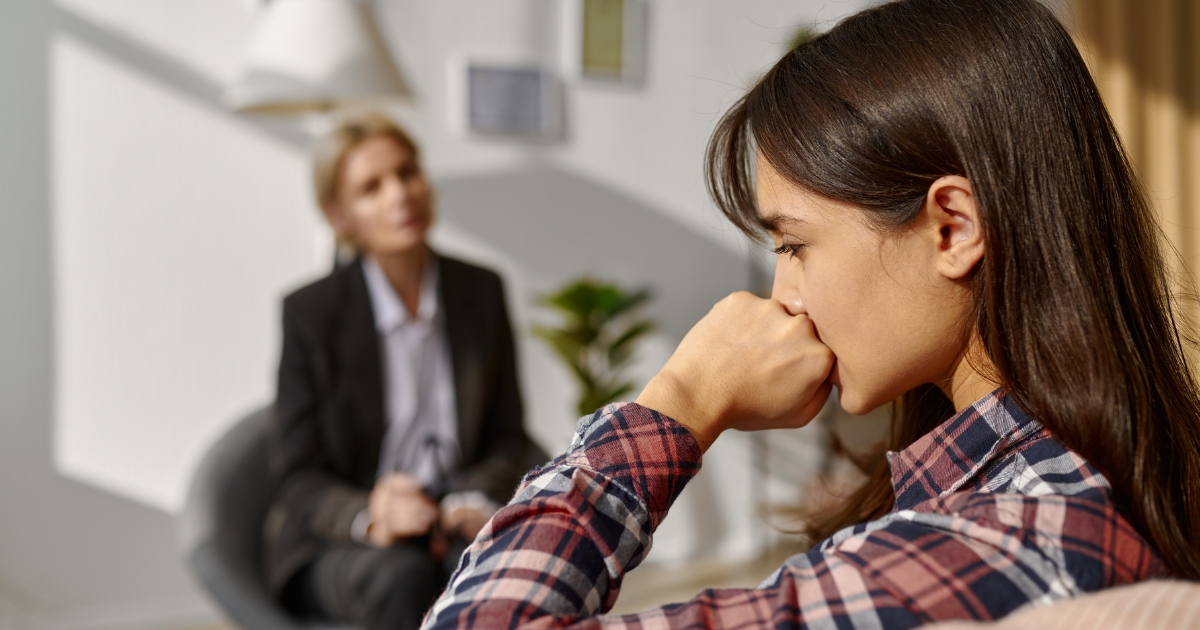
Reclaiming Comfort, One Meal at a Time at Wellness Recovery Center
Eating should not feel like a battle. When meals trigger anxiety, it affects not only physical health but also social connection, self-esteem, and quality of life. Whether the root cause is medical, psychological, or rooted in past experiences, compassionate and individualized care can help you rebuild a peaceful relationship with food. Wellness Recovery Center offers integrated treatment for anxiety, trauma, and eating-related concerns, with support tailored to each person’s needs. Our team understands that healing is not linear, and we tailor every treatment plan to address the specific factors driving your symptoms. If eating has become a source of fear or distress, reaching out for support is a sign of strength. Contact us today to learn how we can help you find relief and reclaim the comfort that mealtimes should bring.
FAQs
These frequently asked questions address common concerns about eating-related anxiety, from distinguishing it from eating disorders to knowing when professional help is needed.
1. What is the difference between anxiety while eating versus anxiety after eating?
Anxiety while eating typically involves physical sensations or intrusive thoughts that arise during the meal itself — such as fear of choking, social discomfort, or digestive distress. Anxiety after eating often centers on concerns about digestion, body image, or the effects of the food consumed, and may include symptoms like bloating, guilt, or panic that emerge 30 minutes to several hours post-meal. Identifying when symptoms occur helps pinpoint whether the triggers are situational, physiological, or cognitive.
2. Can eating anxiety be a sign of an eating disorder?
Eating anxiety can overlap with eating disorders, but they are not synonymous. Eating disorders involve distorted beliefs about body weight, shape, and food, often accompanied by restrictive eating, bingeing, or purging behaviors. Eating anxiety may exist independently, driven by sensory sensitivities, digestive issues, social fear, or trauma, without the body image distortion central to disorders like anorexia or bulimia. A mental health professional can assess whether symptoms meet diagnostic criteria for an eating disorder or represent a separate anxiety condition.
3. What are the best grounding techniques to use when anxiety strikes during a meal?
The 5-4-3-2-1 sensory grounding method is highly effective: identify five things you see, four you can touch, three you hear, two you smell, and one you taste. Diaphragmatic breathing — inhaling for four counts, holding for four, and exhaling for six — also calms the nervous system. Slowing the pace of eating, taking smaller bites, and pausing between bites signals safety to the brain and reduces the intensity of the fight-or-flight response.
4. Can a physical health condition cause anxiety when I eat?
Yes. Conditions like reactive hypoglycemia, gastroparesis, IBS, and food sensitivities can produce physical sensations — shakiness, rapid heartbeat, nausea, or dizziness — that the brain interprets as anxiety or panic. Because the symptoms overlap so closely, it helps to rule out or treat any underlying medical cause alongside psychological support. A provider can determine whether your symptoms are physiological, psychological, or both.
5. When should I seek professional help for eating-related anxiety?
Professional support is appropriate when eating anxiety causes significant distress, leads to avoidance of meals or social situations, results in unintended weight loss, or interferes with daily functioning. If symptoms include panic attacks, intrusive thoughts about food, or a history of trauma related to eating, a mental health provider can offer evidence-based treatment such as cognitive-behavioral therapy, exposure therapy, or trauma-focused interventions. Early intervention prevents patterns from becoming entrenched and supports long-term recovery.