



Anxiety After Eating: Why It Happens and How to Stop the Cycle
You ate. That’s it. No crisis, no bad news, nothing worth a second thought. Ten minutes later, though, your pulse is climbing and a fog of dread rolls in from nowhere. Sound familiar? You’re not making it up, and you’re not broken. Anxiety after eating lands on a lot of people, more than ever talk about it, and it has real, physical roots rather than some character flaw.
The good part: once you see the mechanics, it loses a chunk of its grip. What follows is why your body pulls this stunt, and how to settle it so meals stop feeling like a gamble.
The Connection Between Eating and Postprandial Anxiety
Postprandial. Fancy word, plain meaning: after a meal. Postprandial anxiety is that jittery, off, sometimes panicky feeling that turns up once you’ve eaten. People rarely see it coming. Food is meant to comfort you, not wind you up. But eating is a major physical event, and your gut and your nervous system are practically roommates.
Why Your Body Reacts This Way After Meals
The biology, quickly. Eating flips your body into work mode. Blood heads for the gut, hormones fire, sugar levels shift, and your heartbeat climbs a notch. Normal, all of it. The catch is that an anxious brain reads those inside changes as a threat. Same alarm that screams during a real emergency. Pointed, this time, at a sandwich.
Physical Triggers That Fuel Food Anxiety
Plenty of anxiety after eating is not invented. It kicks off with physical triggers that shove the nervous system into high gear. That matters more than it sounds. A sensation you can name frightens you far less than one that seems to strike out of the blue. So, the rundown below: the common culprits, matched with the feelings they tend to stir up.
| Physical Trigger | What It Can Feel Like |
| Blood sugar swings | Shakiness, a racing heart, a short temper |
| Eating fast or too much | Chest tightness, short breath, panic-like waves |
| Caffeine with meals | Jitters and a quickened pulse |
| Ordinary digestion | Fluttering or nausea that reads as dread |
Digestive Changes and Panic Sensations
Digestion is loud, sensation-wise. The stomach stretches, muscles squeeze, gas shifts, and blood pours toward your middle. Feel all that, and anxious people feel everything, and the mind starts handing out meanings it has no business assigning. That’s the root of digestive anxiety: mild fullness becomes “I can’t breathe,” a flutter becomes “my heart is failing.” The feelings? Real. The story wrapped around them? Nowhere close.
How Stress Eating Creates a Vicious Cycle
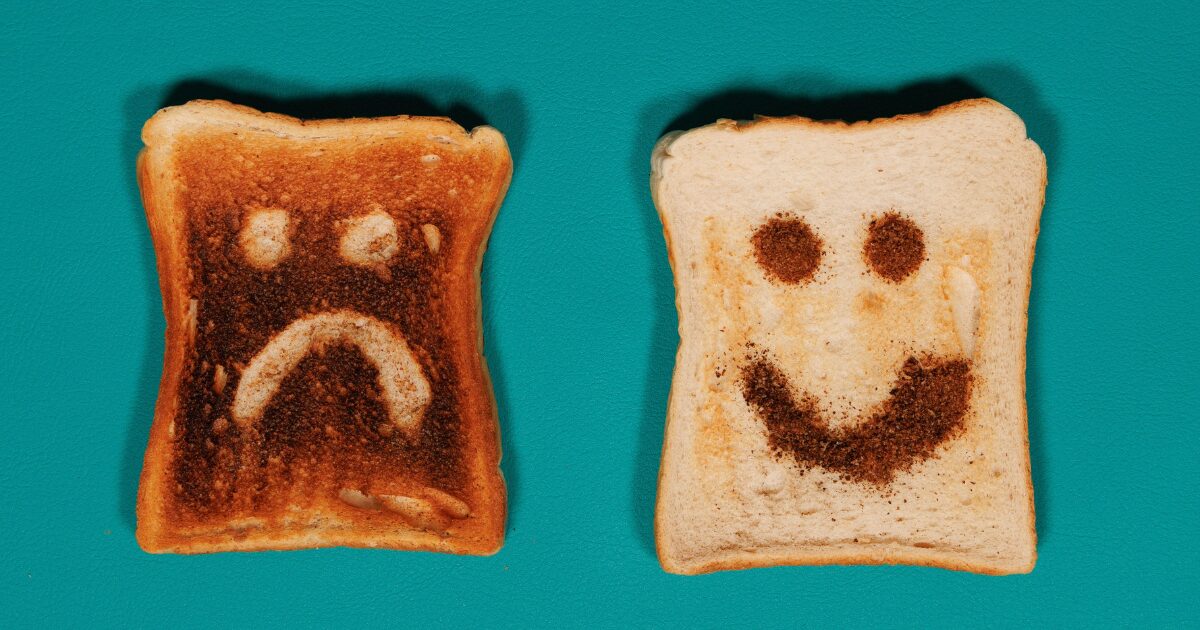
Stress and food get tangled fast. Overwhelmed, you reach for a snack, and for a minute it helps. Then the guilt arrives. Or the bloated ache. Or the nagging why-did-I-do-that. And the anxiety you were dodging swings back, heavier than before. So you eat to hush the anxiety the eating stirred up. See the trap? The loop runs on its own fuel, and from the inside, catching the pattern is hard.
Breaking the Pattern of Food-Related Stress
You break it by noticing it. Gently. No turning this into one more test you flunk. Right before you eat, ask a single question: hungry, or anxious? That pause hands you a choice you didn’t have a second earlier. Stock up on other comforts too, a walk, a phone call, a nap, and food stops being the only tool in the drawer. Control isn’t the goal. Options are.
Recognizing Your Personal Eating Triggers
Triggers are personal. What wrecks your afternoon might not touch mine at all. Some trace to the food, some to the room you’re sitting in, others to whatever mess is loose in your head at the table. Watch closely. Jot a line after any meal that rattles you, and the patterns tend to surface quicker than you’d expect. A few usual suspects to keep an eye on:
- Skipping meals, then sitting down to eat half-starved
- Caffeine, booze, or sugar, especially in big doses
- Eating on the run, rushed, standing up, phone in hand
- Eating while wound up, mid-argument, or deep in the news feed
Practical Strategies to Calm Anxiety Symptoms During and After Meals
You have more say here than a spike lets you believe. Small stuff, mostly. Dull, repeatable, easy to pull off on a rough day, which is the whole reason it works. Each move does one job: tell your nervous system nothing is on fire. Below is a quick map, what to reach for and when to reach for it.
| When | What Tends to Help |
| Before eating | Pause, breathe slowly, and sit down properly |
| During the meal | Slow the pace, and set the fork down between bites |
| After eating | A short walk, a little grounding, and no lying flat yet |
Breathing Techniques and Grounding Methods
When it hits, your breath is the quickest lever around. Slow it down, and your body gets the memo that the danger passed, even while your head is still catching up. The National Center for Complementary and Integrative Health says relaxation techniques, slow breathing among them, can ease anxiety symptoms. Two to lean on when you’re in the thick of it:
- Stretch the exhale, in for four, out for six, a few slow rounds
- Run 5-4-3-2-1, five things seen, four heard, then down the line
Don’t overthink either one. Snapping the spiral matters. Doing it flawlessly does not.
Nutrition Adjustments That Support Nervous System Balance
Small food habits soften the edges. No rigid diet required. Eat on some kind of rhythm instead of skipping and then bottoming out, and your blood sugar settles. Put protein and fiber alongside your carbs, and the spike-then-crash mellows out. Ease off caffeine and alcohol, late in the day above all, so your nervous system has less to spark on. Nobody is asking for perfect. Just smoother.
Building Long-Term Relief With Wellness Recovery Center
Tricks buy you a moment. But once anxiety after eating has moved into your everyday, you deserve more than a bag of them. At Wellness Recovery Center, the team digs beneath the pattern, working the anxiety, the eating, and whatever’s feeding both at the same time rather than one piece at a time. A meal should be a good part of your day. Not a thing you flinch at.
If yours has tipped that way, get in touch with Wellness Recovery Center. Relief that sticks is real, and a single conversation is where it starts.
FAQs
-
Can eating too quickly trigger postprandial anxiety and panic sensations after meals?
Often, yes. Wolf a meal down and you swallow air and overfill at once, and that combo apes a panic attack, chest tight, breath short. Slow the pace, pause between bites, and both the sensations and the fear riding them tend to ease.
-
How do digestive changes after eating create physical anxiety symptoms in your body?
Eating reroutes blood, stretches your stomach, and sets muscles working, and you feel every bit of it. An anxious brain can tag those normal signals as danger and trip the alarm. Real sensations, harmless cause.
-
What eating triggers cause stress and anxiety cycles that worsen over time?
Skipped meals, a pile of caffeine or sugar, eating mid-stress, those are the repeat offenders. Each one spikes physical symptoms, the symptoms feed anxiety, and the anxiety shapes how you eat next time. Leave it alone long enough and the loop tightens.
-
Does meal anxiety get worse when you eat certain foods or combinations?
For a lot of people, yes. Big hits of sugar, refined carbs, caffeine, or alcohol crank up the very sensations that set anxiety off. It runs individual, though, so tracking which meals unsettle you beats guessing.
-
Why does food-related stress make it harder to relax after finishing meals?
Because stress keeps your nervous system switched on when it should be powering down. So the calm that usually follows a meal never lands. You stay alert. You scan for something wrong. Repeat that enough, and your body starts pairing food with tension, which puts real rest out of reach.