




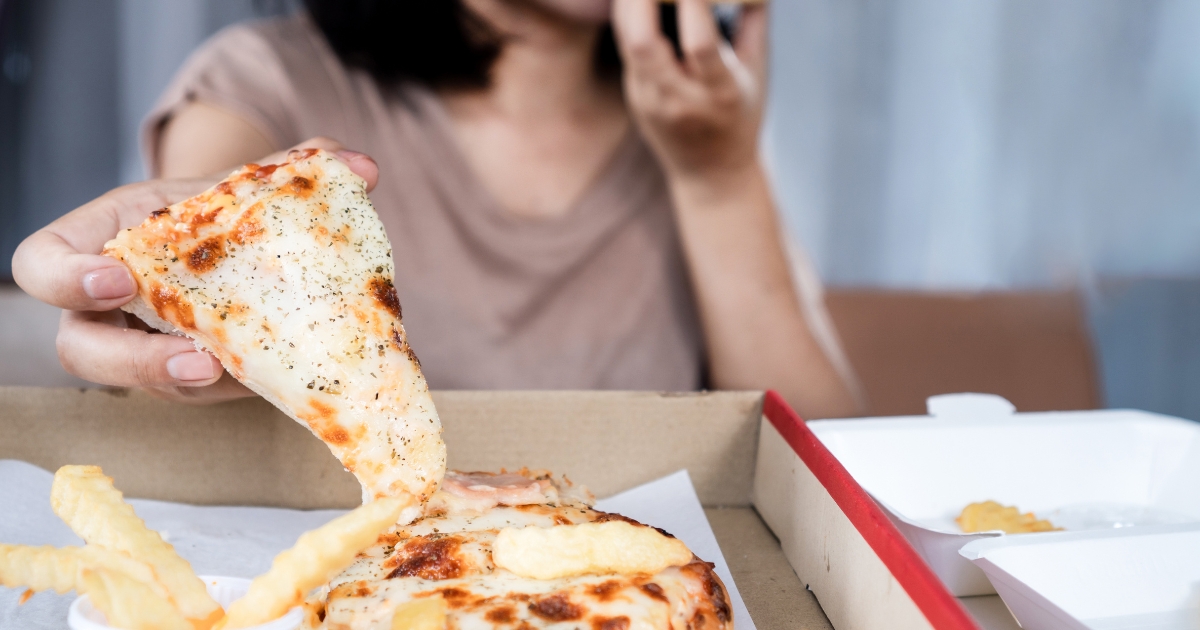
The kitchen is quiet, the house is dark, and everyone else is asleep — but you’re standing in front of the refrigerator, eating quickly and mechanically, unable to stop even though you’re not physically hungry. For many people, binge eating at night is a deeply isolating experience, marked by shame, confusion and a sense of being out of control. What feels like a personal failure is actually a complex interplay of biology, psychology and environment that makes the evening hours uniquely vulnerable.
To understand why nighttime becomes a high-risk window for binge episodes, you need to look at circadian rhythms, stress accumulation throughout the day, and the ways mental health conditions intersect with eating patterns. The question many people ask, “Why do I eat so much at night?” has a complex answer that involves dopamine pathways, unprocessed emotions, and environmental cues that converge after dark. Recognizing these factors is the first step toward finding strategies that actually help.
The Science Behind Nighttime Binge Eating and Your Brain’s Reward System
The brain’s reward circuitry becomes hyperactive during evening hours, particularly when stress or unmet emotional needs have accumulated throughout the day. Dopamine surges when you eat highly palatable foods, creating temporary relief. For individuals in recovery from substance use disorders or those managing co-occurring mental health conditions, this reward pathway can mirror addictive patterns, making food a substitute for other forms of emotional regulation.
Circadian rhythm disruptions further complicate the picture. Ghrelin, the hormone that signals hunger, rises in the evening for some individuals, while leptin — which signals fullness — may be blunted due to chronic stress or irregular eating patterns during the day. This hormonal imbalance creates what feels like insatiable nighttime hunger, even when caloric needs have been met. Sleep deprivation amplifies these effects, lowering inhibition and making it harder to resist urges.
| Biological Factor | Impact on Evening Eating |
|---|---|
| Elevated ghrelin at night | Increased hunger signals despite adequate daytime intake |
| Blunted leptin response | Difficulty recognizing fullness, leading to overconsumption |
| Dopamine pathway activation | Food becomes a primary source of reward and emotional relief |
| Sleep deprivation | Lowered impulse control and heightened cravings for high-calorie foods |
When these biological vulnerabilities combine with psychological distress, the evening becomes a perfect storm for compulsive eating before bed. The brain seeks immediate relief from uncomfortable emotions, and food provides a fast, accessible solution — even if the relief is temporary and followed by guilt or physical discomfort.
Common Triggers That Make Evening Hours High-Risk for Binge Episodes
Emotional eating after dark is rarely about physical hunger. Instead, it’s driven by triggers that intensify as the day winds down. Loneliness, boredom, and unprocessed stress often surface once distractions fade. Without structured activities or social interaction, eating becomes a way to fill the void or numb difficult feelings.
Environmental cues also play a significant role. The interplay between nighttime hunger and stress creates a feedback loop where cortisol elevation disrupts satiety signals, making it harder to distinguish emotional need from physical hunger. Fatigue lowers your ability to resist impulses, and the lack of external accountability — no coworkers, no scheduled commitments — removes natural guardrails. Food availability matters too; if highly palatable snacks are easily accessible, the barrier to a binge episode drops. For individuals managing anxiety, depression, or trauma, these evening binge eating triggers are magnified. Co-occurring conditions create a baseline of emotional dysregulation that makes self-soothing through food feel necessary rather than optional.
Specific factors that elevate risk during evening hours include:
- Medication side effects from SSRIs, mood stabilizers, or antipsychotics that increase appetite or cravings
- Social isolation or lack of connection, leaving emotions unprocessed and unshared
- Transition stress from the structure of daytime routines to the unstructured freedom of evening
- Emotional exhaustion that depletes willpower and makes distress tolerance skills harder to access
- Substance use recovery, where food becomes a substitute coping mechanism for alcohol or drugs
- Chronic dieting or daytime restriction, which creates physiological and psychological rebound that fuels nighttime episodes
Night Eating Syndrome Symptoms and How They Differ
Night eating syndrome is a distinct clinical pattern that overlaps with binge eating at night but has specific diagnostic criteria, including consuming a substantial portion of daily calories after the evening meal, often accompanied by insomnia or waking to eat. While nighttime binge episodes can occur without meeting full NES criteria, the two conditions share overlapping features: distress about eating patterns, lack of hunger during morning hours, and a sense of compulsion around nighttime food intake. Understanding whether your experience aligns with NES can guide treatment decisions.
Evidence-Based Strategies to Stop Binge Eating at Night
Learning how to stop late-night snacking begins with addressing both the physiological and psychological drivers of the behavior. Structured meal timing throughout the day prevents the caloric deficit that can trigger what causes midnight cravings. Eating balanced meals with adequate protein, fiber, and healthy fats stabilizes blood sugar and keeps ghrelin levels in check. This physiological stability reduces the biological drivers of binge eating at night. A satisfying dinner followed by a planned, non-restrictive evening snack — something you genuinely enjoy — can reduce the sense of deprivation that fuels binge episodes.
Psychological interventions focus on building distress tolerance and self-compassion. Urge surfing, a mindfulness technique, involves observing the impulse to binge without acting on it, recognizing that cravings peak and then subside. Distraction strategies — calling a friend, taking a walk, engaging in a hobby — interrupt the automatic pathway from trigger to eating. Self-compassion practices counter the shame spiral that often follows a binge, helping you respond to setbacks with curiosity rather than punishment. Restriction and rigid food rules typically backfire, intensifying cravings and reinforcing the binge-restrict cycle.
When Individual Strategies Aren’t Enough
Professional support becomes necessary when binge eating at night causes significant distress, interferes with sleep or daily functioning, or co-occurs with other mental health symptoms such as depression, anxiety, or substance use. Comprehensive treatment addresses the underlying conditions that fuel the behavior, rather than focusing solely on food intake. Therapy modalities like cognitive behavioral therapy and dialectical behavior therapy teach skills for emotion regulation, while integrated care teams can adjust medications that may be contributing to increased appetite or cravings.
If you need help, contact the National Alliance for Eating Disorders, which offers a free, clinician-staffed helpline for referrals and guidance — call +1 (866) 662-1235. If you’re in crisis or thinking about harming yourself, call or text 988 to reach the Suicide & Crisis Lifeline, available 24/7.
| Strategy | How It Helps | When to Use |
|---|---|---|
| Structured evening routine | Reduces decision fatigue and environmental triggers | Daily, especially during high-stress periods |
| Urge surfing | Builds tolerance for discomfort without acting on impulses | When cravings arise, but physical hunger is absent |
| Planned satisfying snack | Prevents deprivation and removes “forbidden food” mentality | After dinner, as part of a predictable routine |
| Therapy (CBT, DBT) | Addresses root emotional and cognitive patterns | When self-guided strategies are insufficient |

Finding Your Footing After Dark at Wellness Recovery Center
Binge eating at night is not a character flaw or a lack of willpower — it’s a signal that underlying needs are going unmet. Whether those needs are biological, emotional, or tied to co-occurring mental health conditions, addressing them requires compassionate, evidence-based support. At Wellness Recovery Center, we understand that eating struggles often intersect with trauma, anxiety, depression, and substance use recovery. Our integrated treatment approach addresses the root causes, not just the symptoms, through individual therapy, group support, medication management, and skill-building tailored to your unique situation. If you’re ready to break the cycle and find lasting relief, reach out today to learn how we can help you reclaim your evenings and your peace of mind.
FAQs
These are the most common questions we hear from individuals struggling with nighttime eating patterns. If your concern isn’t addressed here, our team is available to provide personalized guidance.
1. Why do I only binge eat at night and not during the day?
Daytime structure, social accountability, and cognitive resources help regulate eating behavior, while evening hours bring fatigue, isolation, and accumulated stress that lower inhibition. The brain’s reward system also becomes more reactive to food cues when willpower is depleted, making nighttime uniquely vulnerable to binge episodes.
2. Is nighttime binge eating the same as Night Eating Syndrome?
Night eating syndrome is a specific diagnosis characterized by consuming at least 25 percent of daily calories after dinner, often with insomnia or waking to eat. Binge eating at night can occur without meeting full NES criteria, though the two conditions share features like evening hyperphagia and distress about eating patterns.
3. Can medications I take for anxiety or depression cause nighttime eating?
Yes, certain psychiatric medications — including some SSRIs, mood stabilizers, and antipsychotics — can increase appetite or alter hunger signals, making evening cravings more intense. If you suspect your medication is contributing to nighttime eating, discuss alternatives or adjunct strategies with your prescriber.
4. How do I stop nighttime binge eating without restricting food during the day?
Focus on balanced, satisfying meals throughout the day to prevent physiological deprivation, and include a planned evening snack you enjoy to reduce the sense of restriction. Address emotional triggers through therapy, mindfulness, or distraction techniques rather than relying on food rules, which often backfire and intensify cravings.
5. When does nighttime binge eating require professional treatment?
Seek professional support if the behavior occurs multiple times per week, causes significant distress, disrupts sleep or daily functioning, or co-occurs with depression, anxiety, trauma symptoms, or substance use. Treatment is especially important when self-guided strategies have not led to improvement or when the eating pattern feels compulsive and uncontrollable.